
Shopping Cart
There are no more items in your cart


- Scott Flenner
- News
- 0 likes
- 118 views
- 0 comments
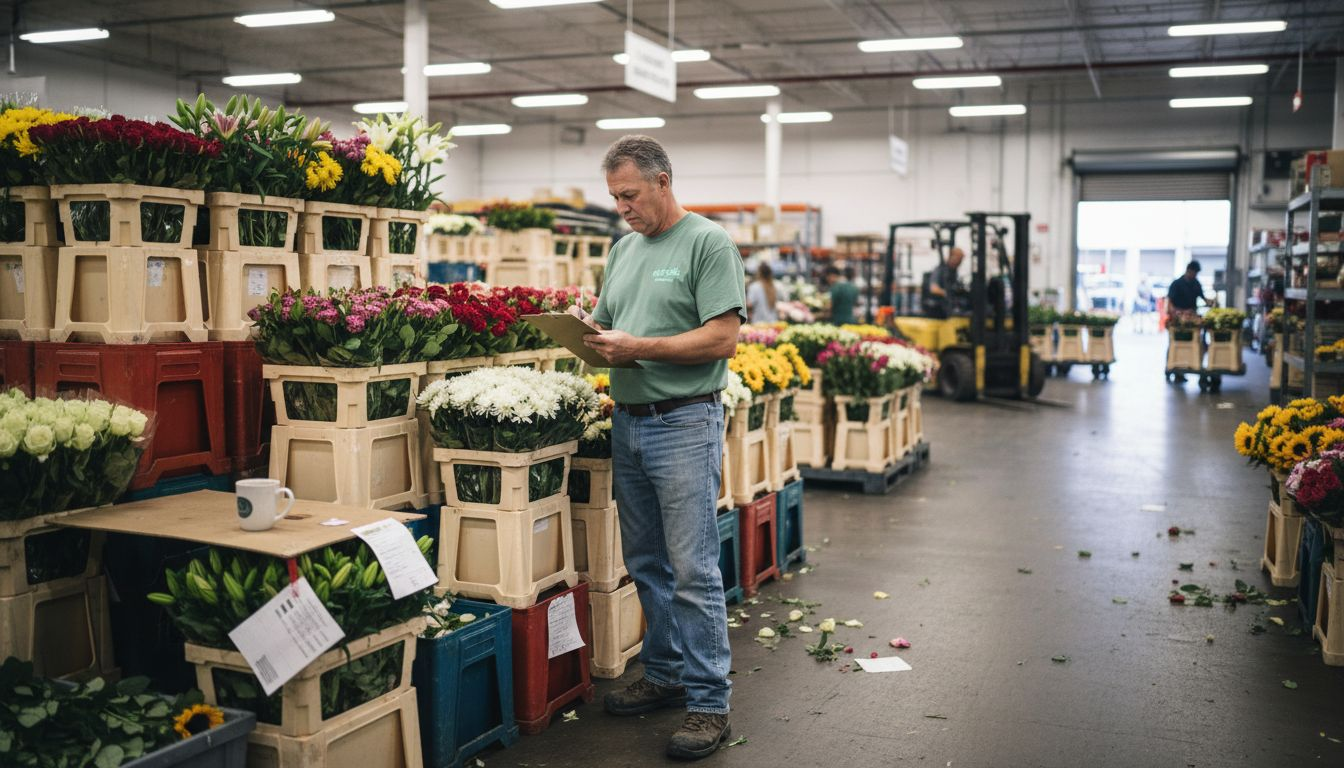
Sourcing exceptional bulk flowers and greenery can determine whether your event stands out or falls short. For floral wholesalers and planners worldwide, finding reliable suppliers is crucial for meeting diverse client expectations and exploring new styles. With over 60 percent of American event planners relying on trusted floral wholesalers to ensure consistent quality, this article explains how these strategic intermediaries connect global growers and buyers while supporting flawless event execution.
Table of Contents
Key Takeaways
|
Point |
Details |
|---|---|
|
Role of Floral Wholesalers |
Floral wholesalers connect growers, retailers, and consumers, managing supply chains to ensure fresh flowers are available. |
|
Types of Wholesalers |
Different wholesaler types include merchant, broker, supply, specialty, and regional, each serving specific market needs. |
|
Daily Operations |
Key activities include inventory management, quality control, and logistics coordination to maintain freshness and meet demand. |
|
Compliance and Challenges |
Navigating regulatory landscapes and sustainability requirements are critical for successful global floral supply chain management. |
Defining Floral Wholesalers and Their Core Purpose
Floral wholesalers are strategic intermediaries in the global flower distribution ecosystem, connecting growers, retailers, and end consumers through complex supply networks. These specialized businesses facilitate the intricate movement of fresh botanical products from cultivation sites to local flower shops and event planners.
At their core, floral wholesalers serve a critical function by managing sophisticated supply chain dynamics for the floral industry. They act as essential connectors who aggregate products from multiple growers, consolidate shipments, and distribute flowers across regional and national markets. By leveraging established cooperative networks, wholesalers can sell products on behalf of suppliers without maintaining extensive physical inventory, creating efficient marketplace connections that benefit producers and retailers alike.
The operational model of floral wholesalers is built on strategic relationships and deep industry knowledge. They provide crucial services including:
-
Sourcing high-quality flowers from global cultivators
-
Coordinating complex transportation and logistics
-
Implementing rigorous quality control processes
-
Offering market intelligence and pricing expertise
-
Managing seasonal fluctuations in flower availability
Understanding the nuanced role of floral wholesalers reveals their importance in bringing beautiful botanical arrangements from distant fields to local flower shops and celebration venues. By bridging geographical gaps and managing intricate supply chains, these professionals ensure that stunning floral displays remain consistently accessible.
Pro tip: When selecting a floral wholesaler, prioritize partners with robust global sourcing networks and transparent quality assessment protocols.
Types of Floral Wholesalers and Key Distinctions
The floral wholesale market encompasses diverse business models, each designed to serve specific segments within the botanical supply chain. Understanding these specialized wholesaler categories is crucial for retailers, event planners, and floral professionals seeking optimal sourcing strategies.
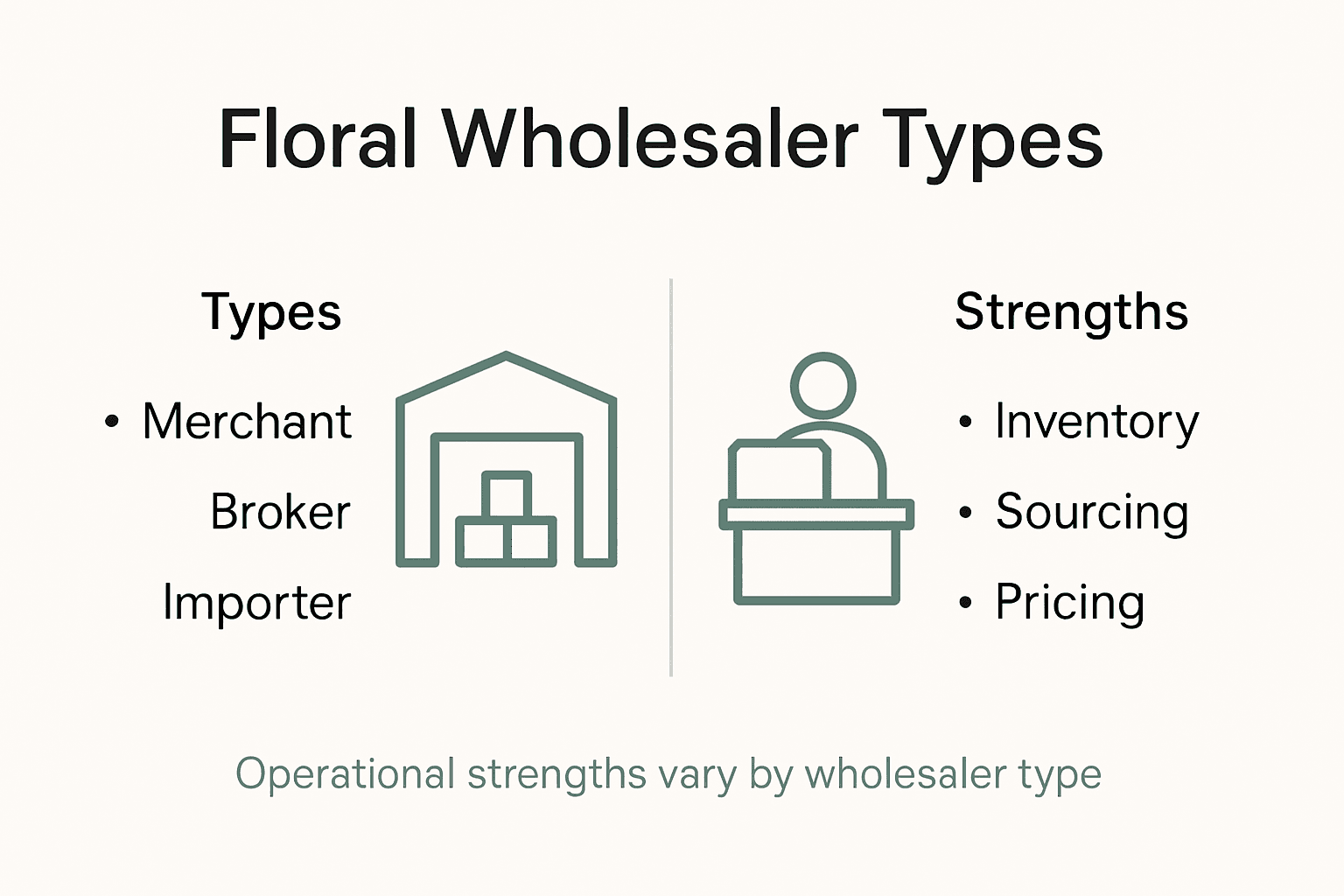
Primary types of floral wholesalers include merchant wholesalers, who purchase and physically possess flower inventory for resale, and broker wholesalers, who facilitate transactions without maintaining direct product ownership. Merchant wholesalers typically carry substantial inventories, allowing immediate product availability, while brokers focus on connecting buyers and sellers through extensive network relationships.
The floral wholesale landscape can be further categorized by specialization and service model:
-
Supply Wholesalers: Provide comprehensive botanical materials including fresh flowers, greenery, and accessories
-
Specialty Wholesalers: Focus on unique or seasonal flower varieties
-
Regional Wholesalers: Concentrate on specific geographic flower markets
-
Global Distribution Wholesalers: Manage international flower trade networks
Each wholesaler type brings unique operational strengths, enabling different approaches to sourcing, pricing, and product distribution. Successful floral businesses carefully evaluate these distinctions to select wholesale partners aligned with their specific market positioning and customer demands.
Here’s a concise comparison of floral wholesaler business models and their unique characteristics:
|
Model Type |
Inventory Ownership |
Typical Clients |
Benefits |
|---|---|---|---|
|
Merchant Wholesaler |
Physical inventory held |
Retailers, event planners |
Immediate availability |
|
Broker Wholesaler |
No inventory owned |
Sellers and buyers |
Flexible sourcing |
|
Supply Wholesaler |
Mixed inventory |
Flower shops, florists |
Broad product range |
|
Specialty Wholesaler |
Selective inventory |
Designers, niche clients |
Unique, rare varieties |
Pro tip: Always request detailed product catalogs and sample shipments to thoroughly assess a potential wholesaler’s quality and reliability before establishing a long-term partnership.
How Floral Wholesalers Operate Daily
Floral wholesalers navigate a complex daily landscape of procurement, quality management, and strategic distribution, managing intricate supply chain dynamics that keep the global flower market flowing smoothly. Their operations represent a delicate balance between sourcing premium botanical products and meeting rapidly changing market demands.
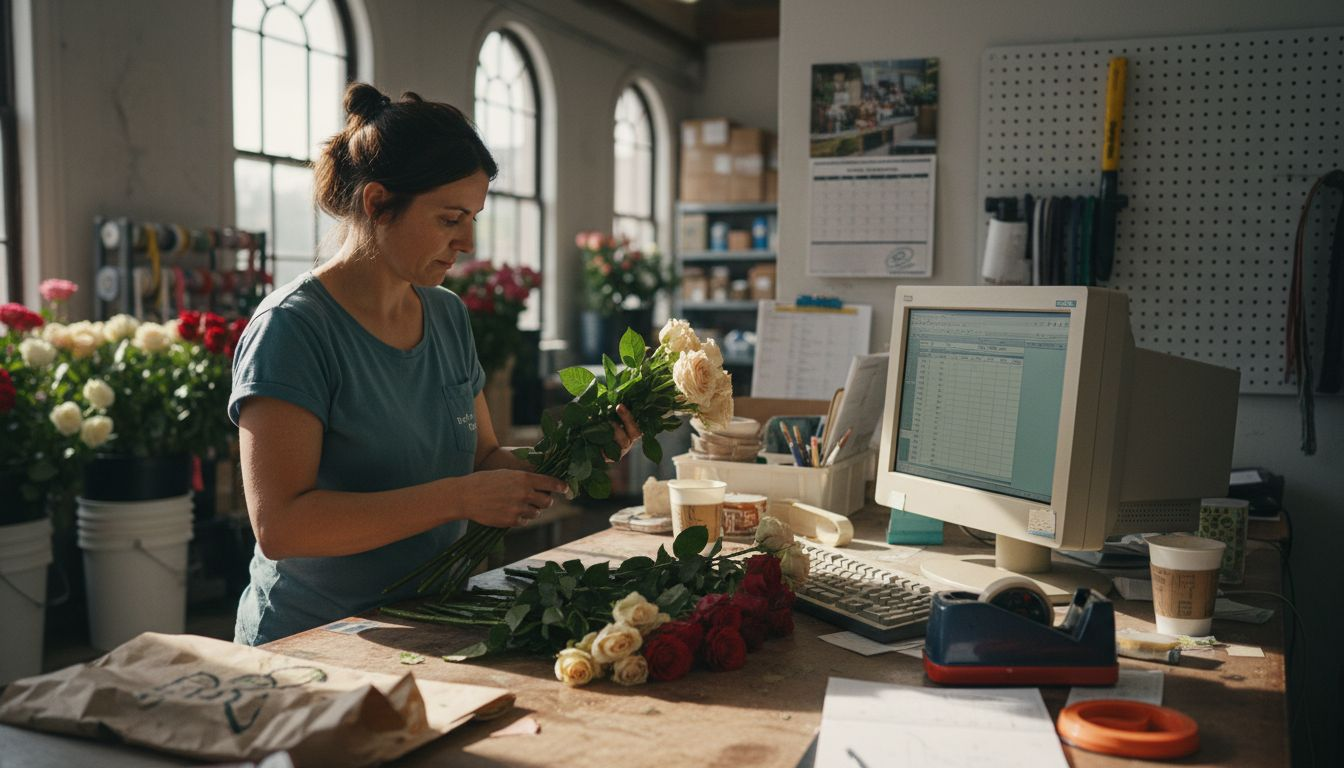
The daily workflow of a floral wholesaler centers around several critical activities. Inventory management takes center stage, with professionals constantly monitoring flower quality, tracking perishability, and strategically rotating stock to ensure maximum freshness. Wholesalers spend significant time communicating with international growers, negotiating pricing, evaluating crop conditions, and coordinating precise shipping logistics to maintain a consistent supply of high-quality flowers.
Key daily operational responsibilities include:
-
Receiving and inspecting incoming flower shipments
-
Grading and sorting flowers by quality and variety
-
Processing wholesale and retail customer orders
-
Maintaining temperature-controlled storage facilities
-
Coordinating transportation and delivery schedules
-
Updating pricing based on seasonal availability
Successful wholesalers leverage advanced technological systems to track inventory, predict market trends, and streamline communication between growers, transporters, and customers. Their ability to anticipate market fluctuations and respond quickly distinguishes top performers in this dynamic industry.
Pro tip: Develop robust relationships with multiple growers across different regions to create a resilient and flexible supply chain that can adapt to unexpected market changes.
Sourcing, Pricing, and Distribution Strategies
Floral wholesalers rely on sophisticated global sourcing strategies that balance cost-effectiveness, product quality, and supply chain resilience. By developing intricate networks spanning multiple international growing regions, these professionals create robust procurement systems designed to meet dynamic market demands.
Pricing strategies represent a critical component of wholesale floral operations. Wholesalers carefully calculate markups that balance competitive pricing with sustainable profit margins, considering factors such as seasonal availability, transportation costs, and market fluctuations. Their pricing models must account for the inherent perishability of botanical products, requiring rapid inventory turnover and strategic pricing adjustments.
Key strategic considerations in floral wholesale sourcing include:
-
Evaluating multiple international growing regions
-
Assessing supplier reliability and crop consistency
-
Negotiating volume-based pricing agreements
-
Managing currency exchange rate risks
-
Developing contingency sourcing plans
-
Implementing quality control protocols
Successful distribution requires advanced technological integration and precise logistical planning. Wholesalers leverage sophisticated inventory management systems, temperature-controlled transportation networks, and real-time tracking technologies to ensure flowers arrive at their destination with maximum freshness and minimal waste.
Pro tip: Develop predictive pricing models that incorporate seasonal trends, historical demand data, and emerging market insights to optimize your wholesale flower pricing strategy.
Challenges and Compliance in Global Flower Supply
The global flower supply chain confronts increasingly complex challenges, navigating intricate regulatory landscapes and environmental constraints that demand sophisticated management strategies. Floral wholesalers must simultaneously address environmental sustainability, international trade regulations, and rapidly shifting market dynamics.
Regulatory compliance represents a critical operational dimension for wholesale flower distributors. International trade requires strict adherence to phytosanitary standards, which mandate precise protocols for plant transportation, pest prevention, and disease control. Wholesalers must maintain comprehensive documentation, implement rigorous inspection processes, and continuously update their practices to meet evolving international agricultural import/export requirements.
Key compliance and operational challenges include:
-
Managing climate change impacts on growing regions
-
Ensuring fair labor practices across international supply chains
-
Navigating complex customs and import regulations
-
Maintaining product quality during long-distance transportation
-
Implementing sustainable agricultural practices
-
Adapting to geopolitical economic fluctuations
Successful global flower supply management requires a proactive approach that integrates technological innovation, strategic planning, and a deep understanding of international regulatory frameworks. Wholesalers must develop resilient systems that can quickly adapt to unexpected disruptions while maintaining product integrity and regulatory compliance.
Pro tip: Develop a comprehensive compliance tracking system that integrates real-time regulatory updates and automated documentation verification to streamline international flower trade processes.
Choosing Reliable Wholesale Florists for Events
Selecting the right wholesale florist requires strategic evaluation and thorough assessment of critical performance metrics that ensure successful event flower procurement. Event planners must navigate a complex landscape of potential suppliers, balancing quality, reliability, and specialized service capabilities.
Vendor selection involves comprehensive due diligence across multiple dimensions. Professional event coordinators typically examine a wholesaler’s track record by analyzing their ability to deliver consistent, high-quality flowers, meet precise customization requirements, and maintain reliable logistics. Critical evaluation criteria include product freshness, variety of botanical offerings, transportation reliability, and responsiveness to specific event design specifications.
Key considerations when choosing a wholesale florist include:
-
Demonstrable experience with similar-scale events
-
Comprehensive flower variety and sourcing capabilities
-
Proven delivery reliability and logistics management
-
Transparent pricing structures
-
Flexibility in handling custom design requests
-
Quality control and product inspection protocols
-
References from previous corporate and wedding clients
Successful event flower procurement demands a holistic approach that goes beyond simple price comparisons. Top-tier event planners prioritize wholesalers who demonstrate technical expertise, creative flexibility, and a commitment to understanding unique event aesthetic requirements.
To clarify key factors when evaluating and partnering with floral wholesalers, consider the following:
|
Evaluation Area |
Why It Matters |
Impact on Events |
|---|---|---|
|
Variety & Sourcing |
Ensures design flexibility |
More creative options |
|
Delivery Reliability |
Guarantees timely arrivals |
Prevents last-minute issues |
|
Customization Level |
Adapts to specific needs |
Aligns with event themes |
|
Previous Client Feedback |
Verifies reputation |
Increases confidence |
Pro tip: Request comprehensive portfolio samples and conduct initial trial orders to thoroughly assess a potential wholesale florist’s actual performance capabilities before committing to large-scale event contracts.
Streamline Your Floral Sourcing with Trusted Wholesale Solutions
Managing the complexities of floral wholesaling requires reliable partners who understand global sourcing, quality control, and timely distribution. As the article highlights, challenges like seasonal fluctuations, regulatory compliance, and ensuring freshness can feel overwhelming. Whether you are an event planner, retailer, or floral designer seeking a seamless supply chain, access to a broad selection of premium flowers and greenery is essential.
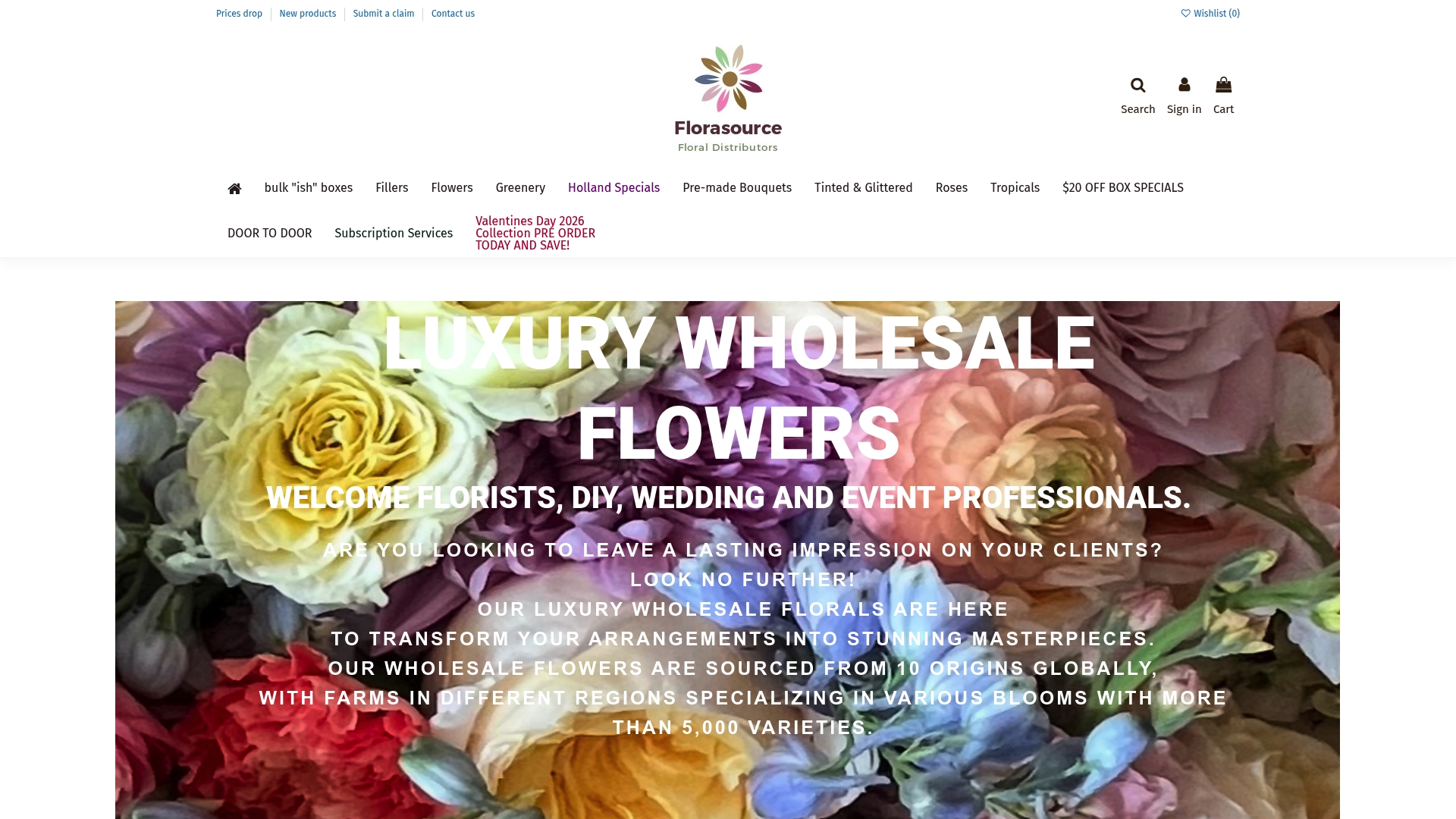
Discover a comprehensive range of fresh flowers, specialty collections, and greenery at FloraSource. Designed to support businesses navigating the demanding floral trade, FloraSource offers exceptional quality, variety, and competitive pricing with discounts available for trade professionals. Visit our homepage to explore the extensive catalog or tap into expert-curated selections like wedding roses and seasonal greenery ready to elevate your floral designs. Take action now to build a resilient, beautiful supply chain that meets your customers’ high expectations with confidence.
Frequently Asked Questions
What is the role of floral wholesalers in the flower trade?
Floral wholesalers act as intermediaries between growers and retailers/event planners, managing the supply chain by sourcing, transporting, and distributing fresh flowers across various markets.
What are the main types of floral wholesalers?
The main types include merchant wholesalers, who hold inventory for resale, and broker wholesalers, who facilitate transactions without owning the products. Additionally, there are supply wholesalers and specialty wholesalers that cater to different market needs.
How do floral wholesalers ensure the quality of flowers?
Wholesalers implement rigorous quality control processes, including inspecting incoming shipments, grading flowers, and maintaining temperature-controlled storage to ensure maximum freshness before distribution.
What challenges do floral wholesalers face in global supply chains?
Key challenges include navigating regulatory compliance, managing the impacts of climate change, ensuring fair labor practices, and maintaining product quality during transportation across international borders.
Comments (0)