Shopping Cart
There are no more items in your cart

The New Language of Flowers: Why Movement, Texture & Soft Color Are Defining Today’s Designs


The New Language of Modern Floral Design: Movement, Texture & Soft Color
Floral design is experiencing a quiet but powerful transformation. Today’s designers are moving away from rigid, overly structured arrangements and embracing a style that feels natural, expressive, and deeply connected to the organic world. This shift is defined by three core elements—movement, texture, and soft color—and together, they’re reshaping how florists, event designers, and creatives approach modern floral design.
Embracing Movement: Letting Stems Tell Their Story
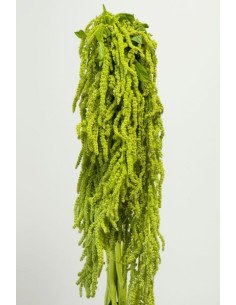
One of the most noticeable changes in contemporary floral design is the emphasis on movement. Rather than forcing stems into tight, symmetrical shapes, designers are allowing flowers to breathe and flow. Varieties like Green Hanging Amaranthus, Italian Ruscus, and naturally arching garden roses create dynamic lines that guide the eye through an arrangement.
This approach mirrors the way flowers grow in nature—unrestrained, expressive, and full of personality. Movement adds emotional depth, making arrangements feel alive rather than manufactured. For weddings and events, this style brings a sense of romance and authenticity that clients increasingly seek.
Texture as a Design Foundation
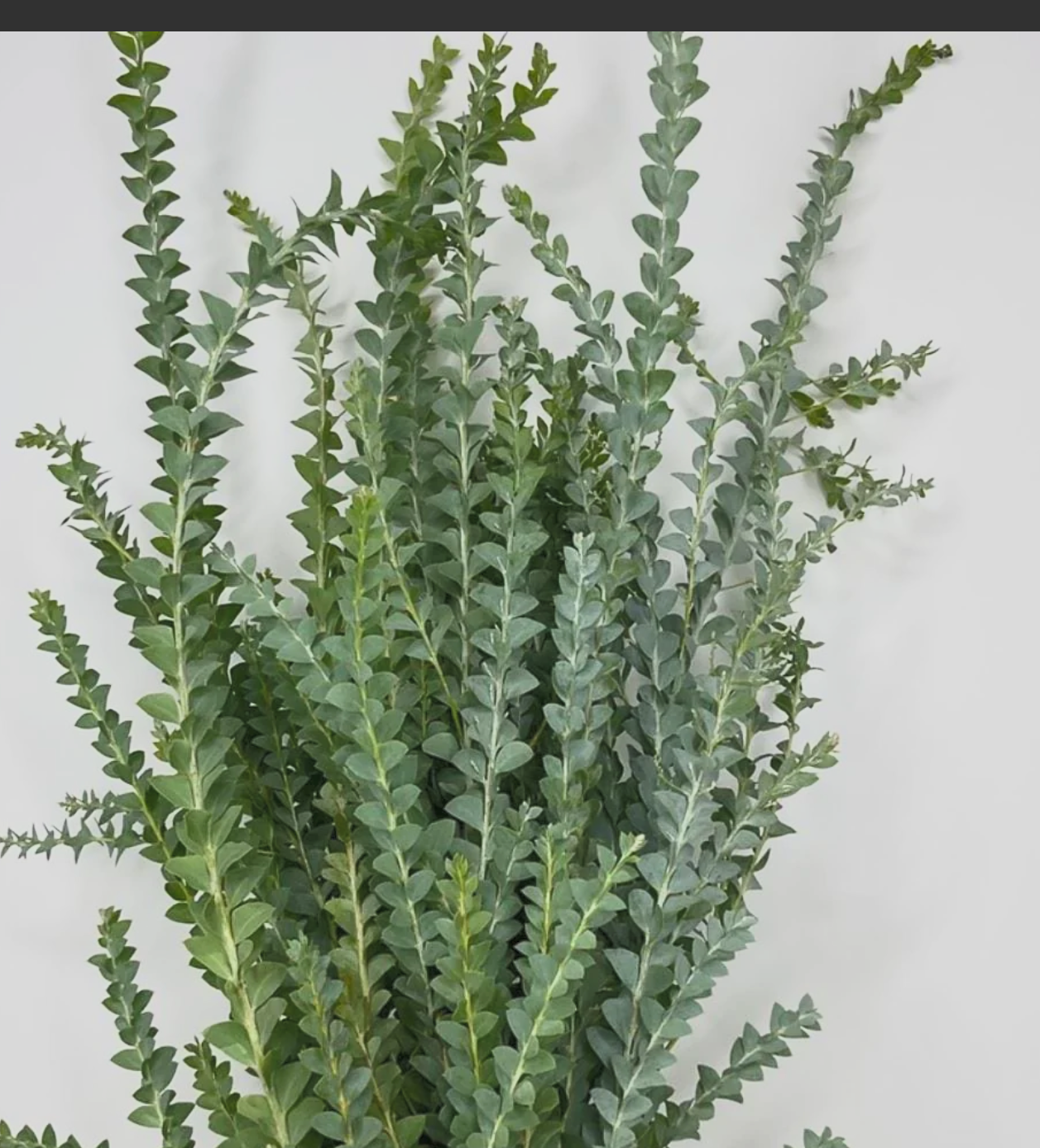
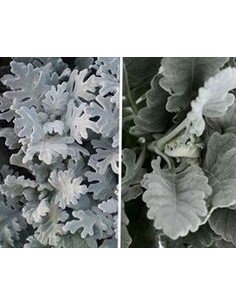
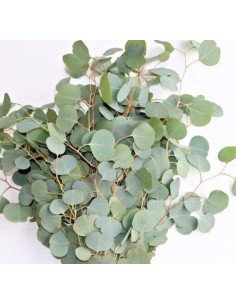
Texture has become a defining characteristic of organic floral arrangements. Instead of relying solely on focal blooms, designers are layering botanicals to create depth and dimension. Soft, velvety foliage like Dusty Miller, the sculptural discs of Silver Dollar Eucalyptus, and the airy quality of Queen Anne’s Lace all contribute to a tactile, multi‑layered aesthetic.
This textured approach allows designers to build arrangements that feel rich and intentional without overwhelming the viewer. It also supports the trend toward natural floral style, where each element plays a role in creating a cohesive, story‑driven composition.
Soft Color Palettes That Whisper
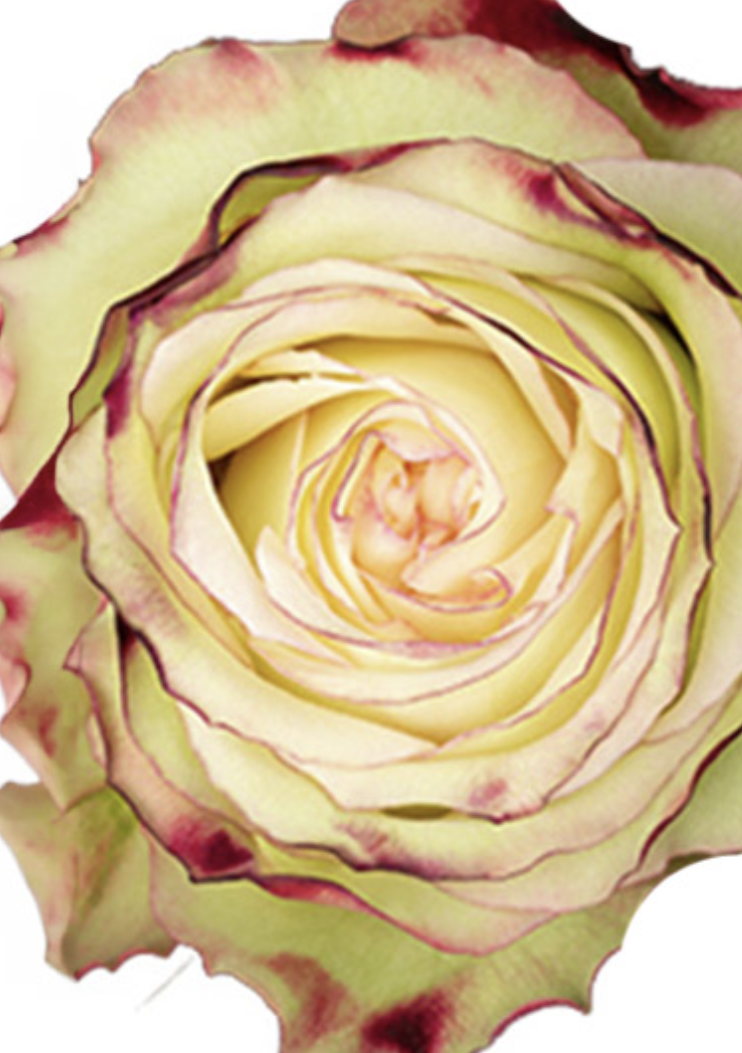
While bold colors will always have their place, today’s floral design trends lean toward soft color palettes that evoke calm, romance, and subtle sophistication. Shades of blush, lavender, muted greens, and creamy whites are especially popular in wedding florals and event floral inspiration.
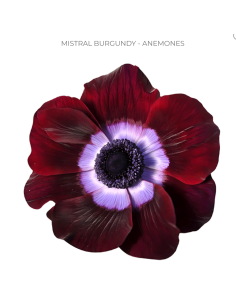
Flowers like Mistral Anemones, Full Star White Anemones, and pale garden roses offer gentle tones that blend seamlessly with textured greenery. These palettes allow movement and texture to shine, creating arrangements that feel elevated and timeless.
Why This Trend Is Resonating
The rise of movement‑driven, texture‑rich, soft‑toned design reflects a broader cultural shift toward authenticity and natural beauty. Clients want florals that feel personal, organic, and emotionally resonant—not overly polished or artificial. This aesthetic aligns with the growing preference for sustainable, seasonal, and locally sourced blooms.
For designers, this trend opens the door to more creative freedom. It encourages experimentation, celebrates imperfection, and highlights the artistry behind each arrangement.
Bringing It All Together
Whether you’re designing for weddings, events, or everyday studio work, incorporating movement, texture, and soft color can transform your floral compositions. These elements work together to create arrangements that feel modern yet timeless, expressive yet refined.
As the industry continues to evolve, this natural, organic approach is poised to remain at the forefront of floral design trends. It’s more than a style—it’s a new language of flowers, one that speaks softly but leaves a lasting impression.
Recommended products
Share this article: